Residential & commercial · What to do first
Emergency Water Removal for Englewood Homes and Businesses
When water is spreading through a home, a storefront, or an office, the first hour matters: stop the source, get people safe, and get removal and drying started.
This website is a draft preview. No phone line or request form is connected yet.
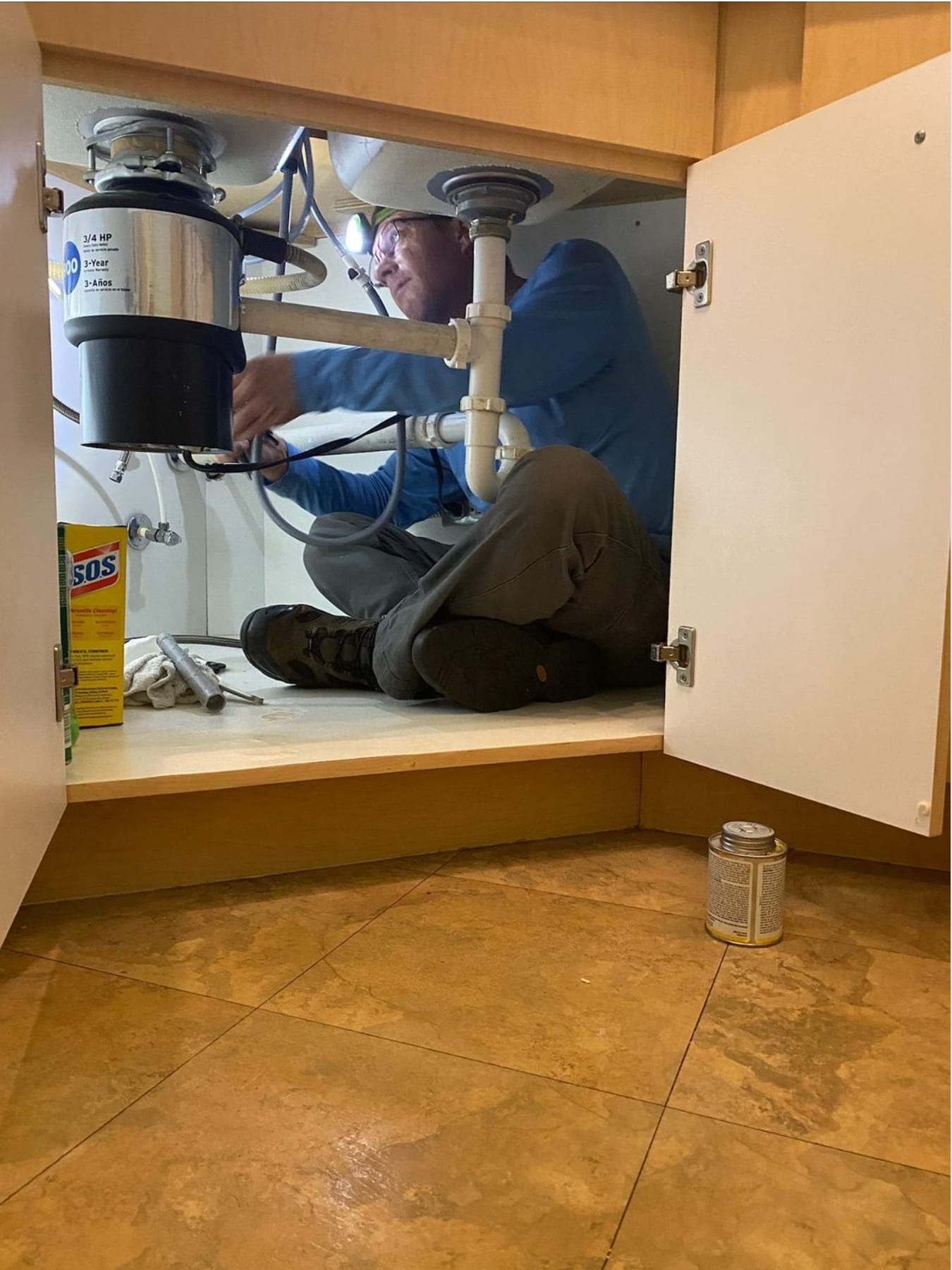
Emergency response for homes and businesses
Water emergencies don't keep business hours. A pipe can burst overnight in a closed shop, a sprinkler line can fail over a weekend, or a basement can flood during an evening storm. The faster water is removed, the less there is to tear out.
Residential and commercial water damage call for slightly different priorities. For businesses, the priority is getting water out and drying started so you can reopen; for homes, it's protecting the structure and belongings.
No business has been confirmed to answer requests or perform work for this site, so none is named here.
The faster water is removed, the less there is to tear out.
Before anything else: which flags apply?
Red flags: get safe first
- Water near the electrical panel, outlets or a running appliance
- A sagging or bulging ceiling
- Gas smell (leave and call the gas utility or 911)
- Anyone injured or unable to get out
Amber flags: contamination
- Water came from a toilet, floor drain or sewer line
- Outside floodwater got in
- Water has been sitting more than a day or two
- It smells bad
Green: clean and contained
- Clean water from a supply line or appliance
- Shut off, caught quickly, in one area
- Still worth calling a restoration company: drying is easier the sooner it starts
Emergency response steps
A typical emergency job is built around getting water out and drying started quickly.
1 First call
A restoration company usually gathers details before sending a crew.
2 Assess
Check safety and map wet materials.
3 Remove water
Extract standing and absorbed water.
4 Dry
Set up drying equipment and monitor daily.
5 Restore
Repair once the structure is dry.
What to tell a restoration company
- 1. The address, and whether it's a home or a business
- 2. Where the water came from and whether it's stopped
- 3. Which flags above apply
- 4. Roughly how many rooms or square feet are wet
- 5. Whether you own, rent, or manage the property
While you wait
- Shut off the water source; for sprinklers, follow your building's procedures and notify the fire department as required.
- De-energize affected areas if it's safe.
- Move inventory, files, and electronics off the floor.
- Keep people out of wet areas.
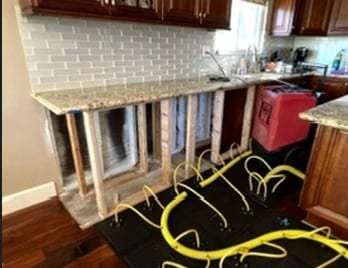
Common Englewood emergencies
Retail shop after a weekend leak
A shop owner arrives Monday to find water across the sales floor from a failed restroom supply line.
Basement during a storm
An evening thunderstorm sends water into a bungalow basement through a window well.
Office sprinkler discharge
A sprinkler head is struck during a move, discharging water across an office suite.
Englewood's mix of homes and businesses
Englewood, an inner-ring suburb directly south of Denver in Arapahoe County, combines older residential neighborhoods with commercial corridors along Broadway and Hampden Avenue, the CityCenter Englewood area, and the medical district around Swedish Medical Center.
That mix means water emergencies happen in both homes and businesses, often in older buildings with aging plumbing.
- Ask any company to confirm that your Englewood address is in its service area.
- Businesses can ask about documentation for insurance and business-interruption claims.
- Older homes may contain asbestos in some flooring; testing may be needed before removal.
- Sheridan, Littleton, and Cherry Hills Village are nearby.
ZIP codes served: 80113 (Englewood), 80110 (Englewood).
Also nearby: 80210, 80236, 80121, 80223, 80222, 80120, 80219, 80209, 80237, 80123, 80224, 80246, 80122, 80235, 80231, 80203, 80218, 80206.
Urgent situations
- Water actively spreading across floors or through ceilings.
- Water near electrical equipment, panels, or outlets.
- Flooding in a business that needs to open the next day.
- Sprinkler discharge or a burst fire line.
Go deeper on water emergencies
Guides and worked examples for Englewood homes and businesses.
- Guides
Each guide takes one urgent situation and works through it: what is happening, what is dangerous, what to shut off, who to contact and in what order, and what tends to go wrong when people rush.
- Checklists
These checklists are meant to be printed, filled in on a calm afternoon and taped somewhere obvious.
- Examples
These examples are invented situations, not real customers or jobs.
- Neighborhoods
A ceiling leak in a mid-century flat-roof house is a different problem from a sprinkler head in a clinic suite or a supply line in a Broadway storefront.
Emergency water questions
Do restoration companies handle commercial properties?
Many do, but not all. Ask about recent commercial water damage jobs of your size and type.
Can work be scheduled around business hours?
Emergency extraction happens right away; follow-up drying and repairs can often be coordinated around operations.
What documentation should I ask for?
Photos, moisture readings, and an itemized record of the work performed (many carriers use Xactimate), which help insurers review the claim. The insurer decides coverage.
What should I do about wet inventory or files?
Move them off the floor and away from water. Some items can be dried or restored; others may need replacement.
How quickly will someone arrive?
It varies by company and time of day. Ask for a realistic arrival time in Englewood before you commit.
Is sprinkler water clean?
Sprinkler water sits in pipes and is generally not considered clean; it can carry sediment and residue. Affected materials are evaluated accordingly.
Should I call or use an online form in a water emergency?
In an emergency, a phone conversation with a restoration company is usually faster than a web form. Online forms suit situations that can wait, like a slow leak you've already stopped. If anyone is in danger, call 911 first.
Not urgent? Send details
This form is not connected. This website is a draft preview: no business has been confirmed to receive requests, so the fields below are switched off and nothing can be sent. In an emergency, call 911.
Water emergency in Englewood?
Stop the source, keep people out of wet areas, call 911 for electrical or gas danger, photograph the damage, call your insurer, and choose a company you have checked.